
By Kaylene Brown
From Mapetla To Paris: How Ezokhetho Carries Home Forward
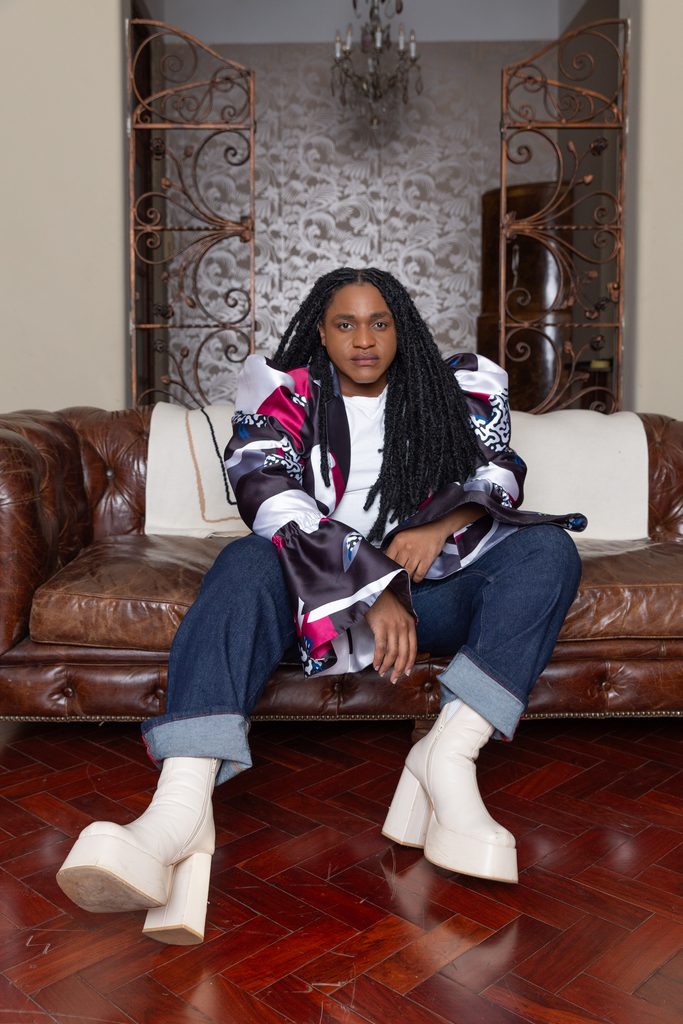
For Mpumelelo Dhlamini, fashion is a way of staying connected to where we come from while making space for everything still ahead.
South Africa has a particular relationship with memory. It lives in family photographs, old songs, the names of neighbourhoods and the stories we tell about the places that shaped us. Sometimes it survives in smaller things: a piece of fabric, a familiar print, the way a mother dressed or the feeling of a Sunday afternoon at home.
For Dhlamini, those details have gradually become part of Ezokhetho's visual language.
Ezokhetho began as a way of telling stories through clothing. Founded by Dhlamini after her studies at the Villioti Fashion Institute, the Johannesburg-based fashion house has grown around the idea that clothing can hold history, identity and memory without being trapped in the past.
Even the name carries meaning. Chosen by Dhlamini and her mother and drawn from isiZulu, Ezokhetho speaks to something carefully chosen as the best or most suitable by those who came before us. It gives the brand a question that sits quietly underneath the work: what do we inherit, and what do we decide is worth carrying forward?
ROOTED IN HOME
Dhlamini's beginning in fashion was followed by an early international moment. In 2019, Ezokhetho's first capsule collection was selected for sale in Milan during Milan Fashion Week.
From the outset, the brand was interested in more than making clothes. Its purpose was tied to reflecting the African person and celebrating the lineage behind the present.
Family remains close to that idea. Dhlamini's mother, the memory of her late father and the places associated with her early life are not simply background details. They have found their way into the way Ezokhetho tells its stories.
That is also what makes the brand's treatment of heritage interesting. Familiar references are allowed to change. African heritage is not presented as something fixed or untouchable. Instead, it becomes material for something contemporary.
Colour, volume, print and tailoring come together with a strong sense of occasion, while the stories underneath remain connected to people and place.
A LIVING HISTORY
The clearest way to see that evolution is to look at the collections themselves.
Sophiatown '21 looked towards the music, style and cultural energy of one of Johannesburg's most important communities. Khumbulekhaya '22, meaning “remember home”, turned towards family, culture and the feeling of returning to what is familiar. Umkhathizwe: The Horizon '23 widened the conversation, using the horizon as a space for possibility.
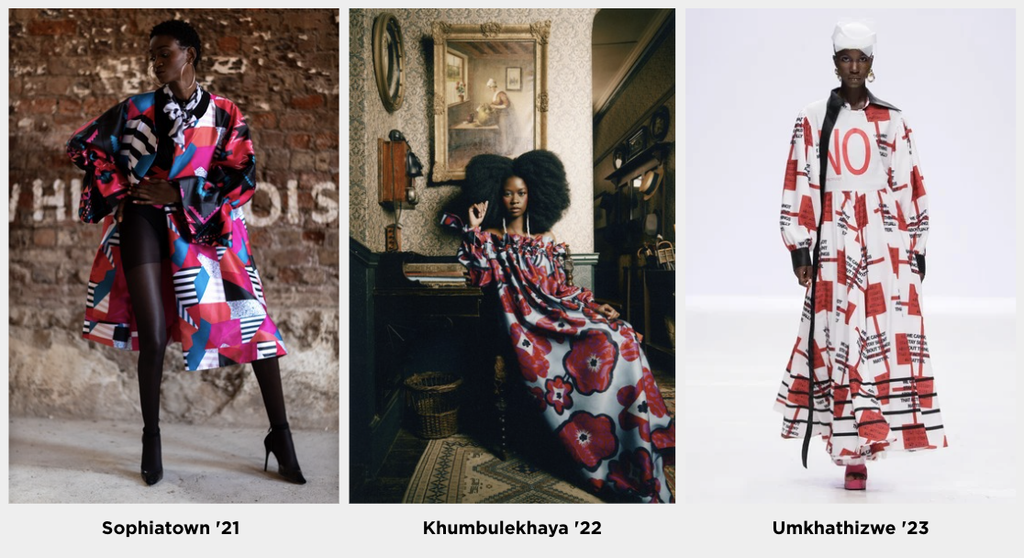
The references are personal rather than simply decorative. There is a difference between borrowing an image of Africa and allowing lived experience to shape the way a collection is conceived.
Ezokhetho does the latter.
With Umkhathizwe – The Horizon '23, the meeting point between earth and sky became the starting point for a collection that moved through the natural world, from sun and soil to moon and sky. Solid colours appeared alongside prints and lines inspired by traditional South African attire.
The collection also carried Ezokhetho's “NO” series and its message around issues including gender-based violence and human rights.
The past is present in Dhlamini's work, but it is not treated as something that can only be looked at from a distance. It becomes material that can be questioned, reshaped and made relevant again.
CARRYING WHAT CAME BEFORE
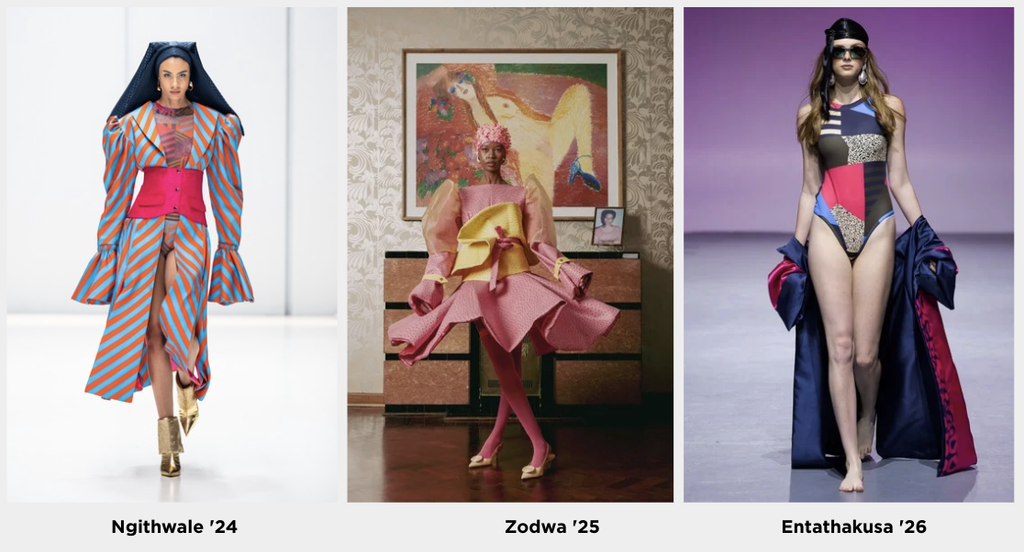
That became especially intimate with Ngithwale – Carry Me '24.
The collection marked Ezokhetho's return to the South African Fashion Week platform after a two-year break from showcasing in Johannesburg. Dhlamini described the collection as an acknowledgement of the generations of prayers, intercessions and sacrifices that have helped to carry her and the generations that come after her.
At its centre was her mother.
A photograph of Dhlamini and her mother, taken by her late father, became part of the collection's emotional foundation. The photograph gave the work another layer: clothing could carry a relationship rather than simply represent one.
Ngithwale became an ode to her mother and to the women who have carried and continue to carry her.
Then came Zodwa '25, named after the affectionate nickname Dhlamini's father gave her mother.
The collection became a tribute to her late parents and their enduring bond while looking towards South Africa in the 1980s and 1990s, a period marked by struggle, change and cultural transformation. It also introduced menswear to Ezokhetho for the first time.
AT DAWN
With Entathakusa '26, meaning “at dawn” in isiZulu, the conversation shifted towards transition, healing and renewal.
The collection reflected Dhlamini's movement through grief and growth, including the process of releasing loss, relationships and versions of herself that no longer felt connected.
The colour palette moved from navy and brown towards candy blue and pink. Bold silhouettes and sculptural cuts created a tension between what felt familiar and what was changing.
It is a progression that feels natural when the collections are seen together. Ezokhetho remains rooted in its history, but it does not have to repeat the same chapter to prove that connection.
The work changes as the life behind it changes.
MAPETLA TO PARIS
Then came Mapetla Ext. '27, one of the most personal chapters in the Ezokhetho story.
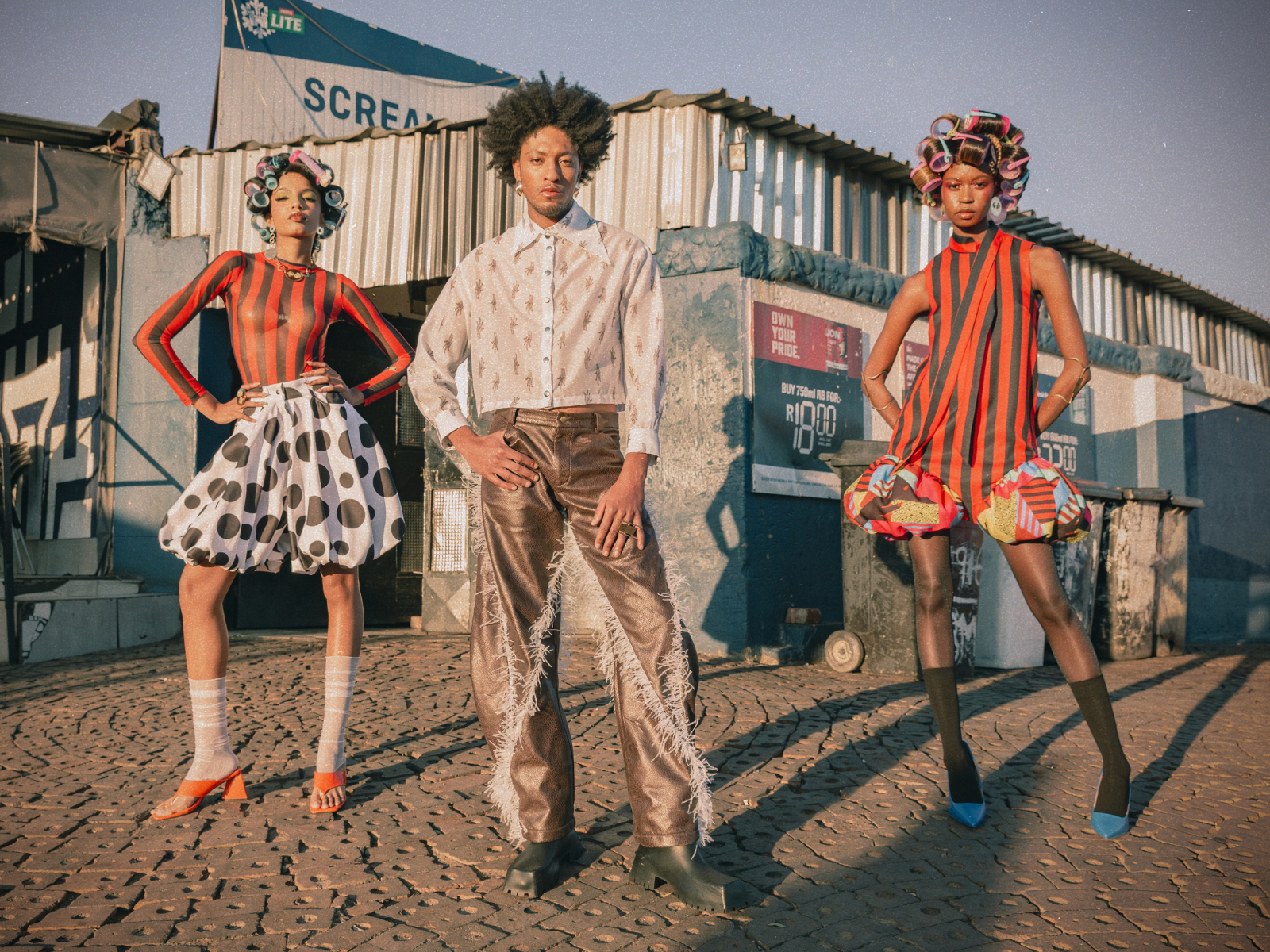
Inspired by Mapetla and neighbouring Chiawelo in Soweto, where Dhlamini spent the first years of her life, the collection looks towards memory, identity and the cultural richness of township life.
Its nostalgia is rooted in the 1990s, with vibrant colour meeting contemporary silhouettes and styling that references everyday rituals and expressions of cultural pride. The campaign was photographed in Mapetla itself, including at the home of Dhlamini's late grandmother.
That choice keeps the collection tied to its source. The place that inspired it was not turned into a backdrop that could have been anywhere else. It remained physically present in the story.
And then Mapetla travelled.
In 2026, Mapetla Ext. '27 was presented in Paris at the Musée du quai Branly – Jacques Chirac as part of Africa Fashion Up, marking Ezokhetho's international runway debut. The collection concluded with the brand receiving the Africa Fashion Up Prix Spécial du Jury.
The moment matters for more than the distance travelled. The collection reached an international runway without having to leave the place that gave it meaning behind.
Mapetla came with it.
WHEN HOME TRAVELS
There is confidence in allowing a specific local story to remain specific when it enters an international space.
For African designers, there can be an expectation to translate a local story into something that is immediately legible elsewhere. Ezokhetho suggests another possibility. A place can remain a place. A South African point of view can enter a global room without becoming less recognisably South African.
That is part of what gives Mapetla Ext. '27 its weight.
A neighbourhood becomes a collection. Family history becomes part of the visual language. A grandmother's home becomes part of a campaign. Something deeply local finds its way onto an international runway.
The distance between Mapetla and Paris has not erased the connection between them. It has simply made that connection visible.
THE MEANING OF LUXURY
Ezokhetho's approach to making adds another dimension to its idea of luxury.
The brand's portfolio describes the use of locally sourced materials, surplus and dead stock fabrics, as well as relationships with small local suppliers and CMT production factories committed to fair working conditions.
Luxury has traditionally been associated with scarcity, distance and exclusivity. There is another kind of value in knowing what sits behind a finished garment: where the material came from, who made it and what informed its creation.
For Ezokhetho, those details are closely tied to home.
The richness is in the fabric and the silhouette, but it is also in the history that arrives with the garment.
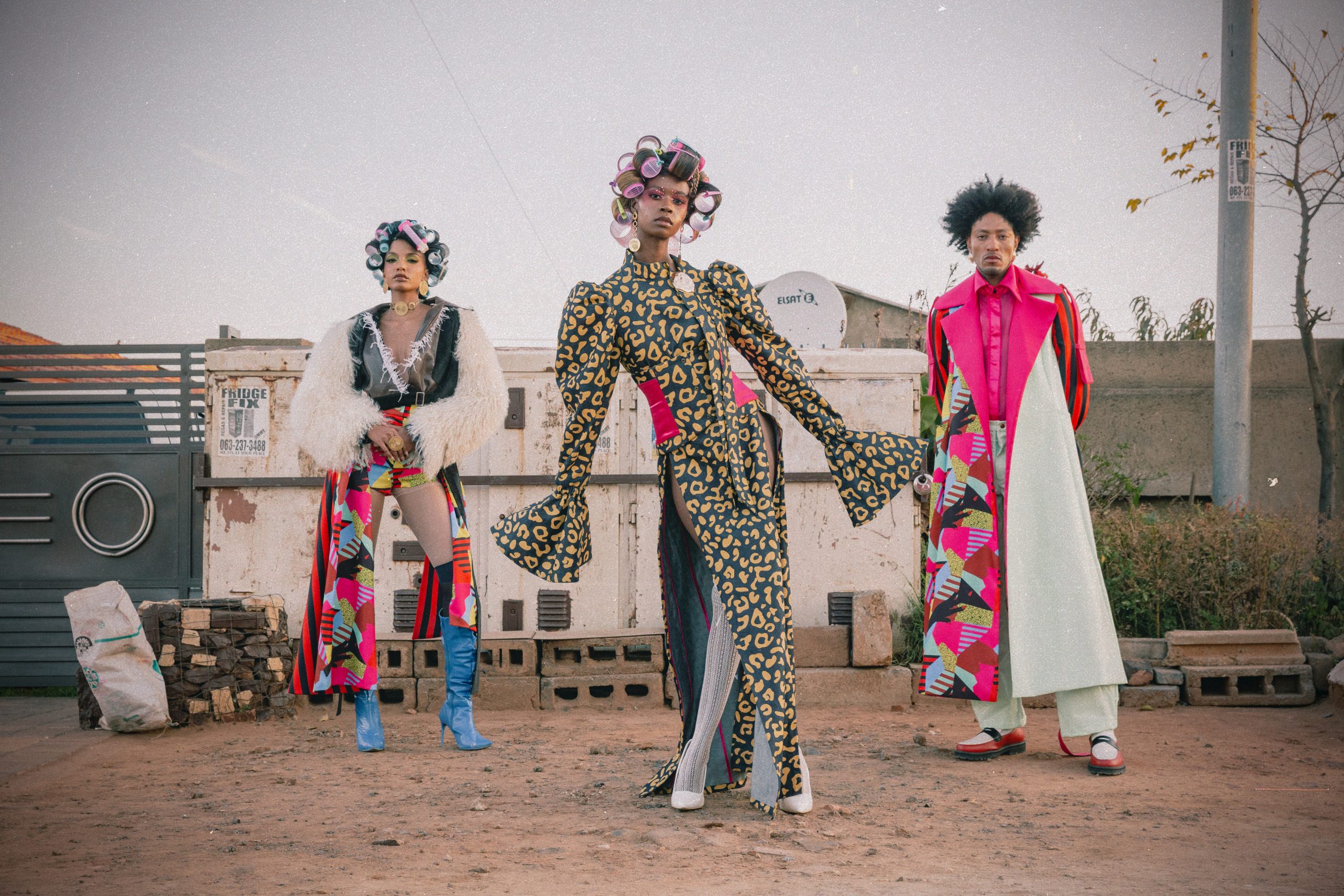
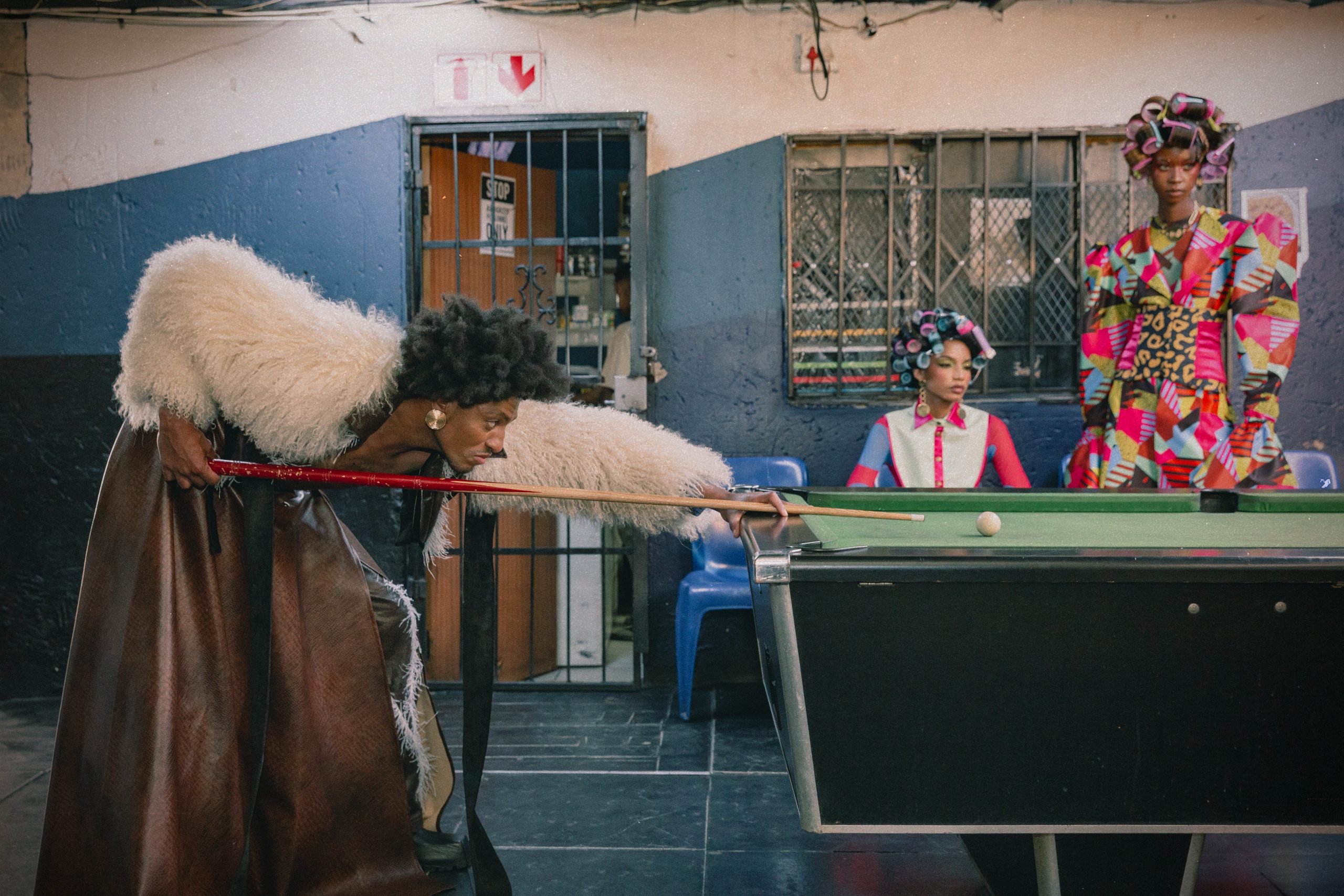
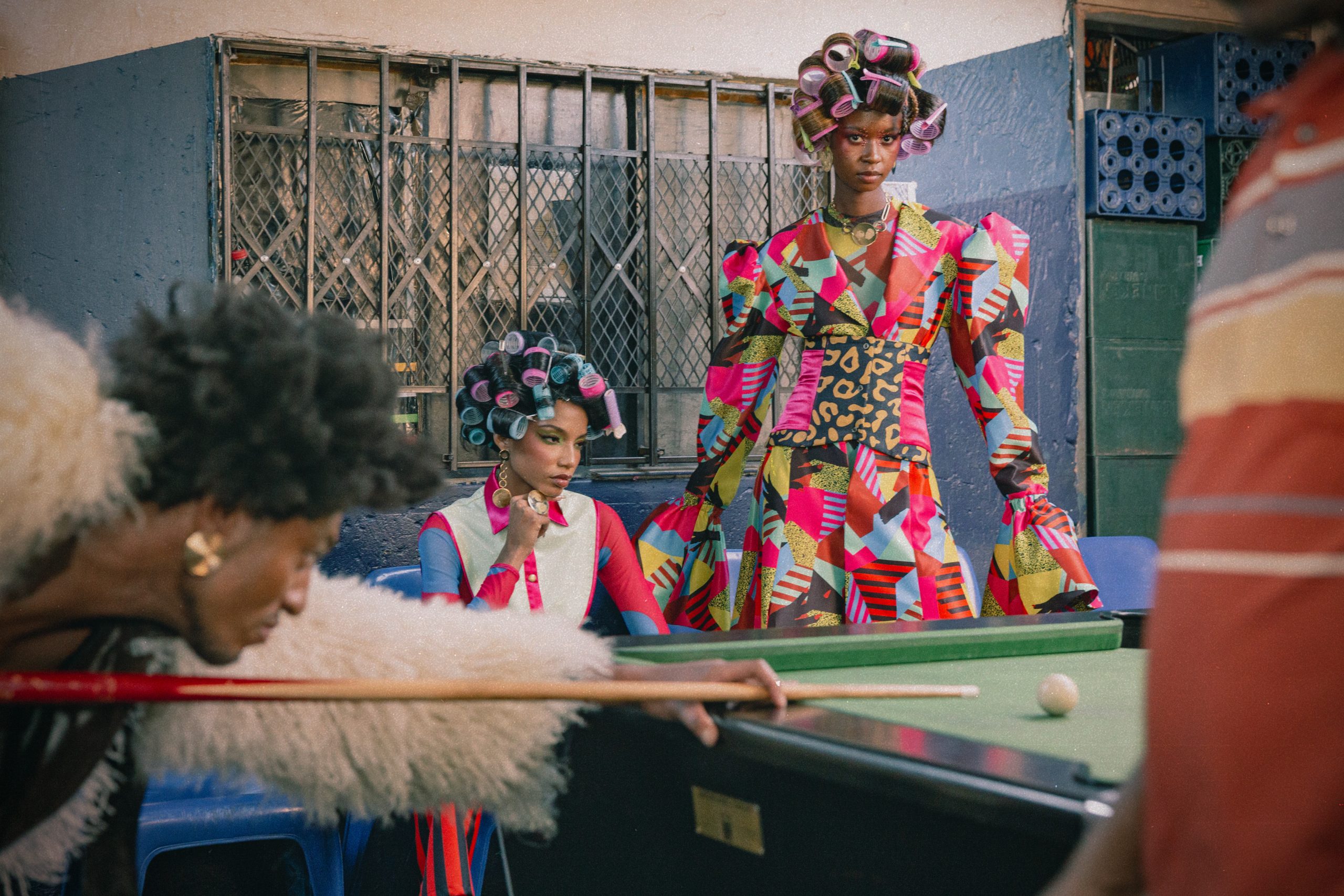
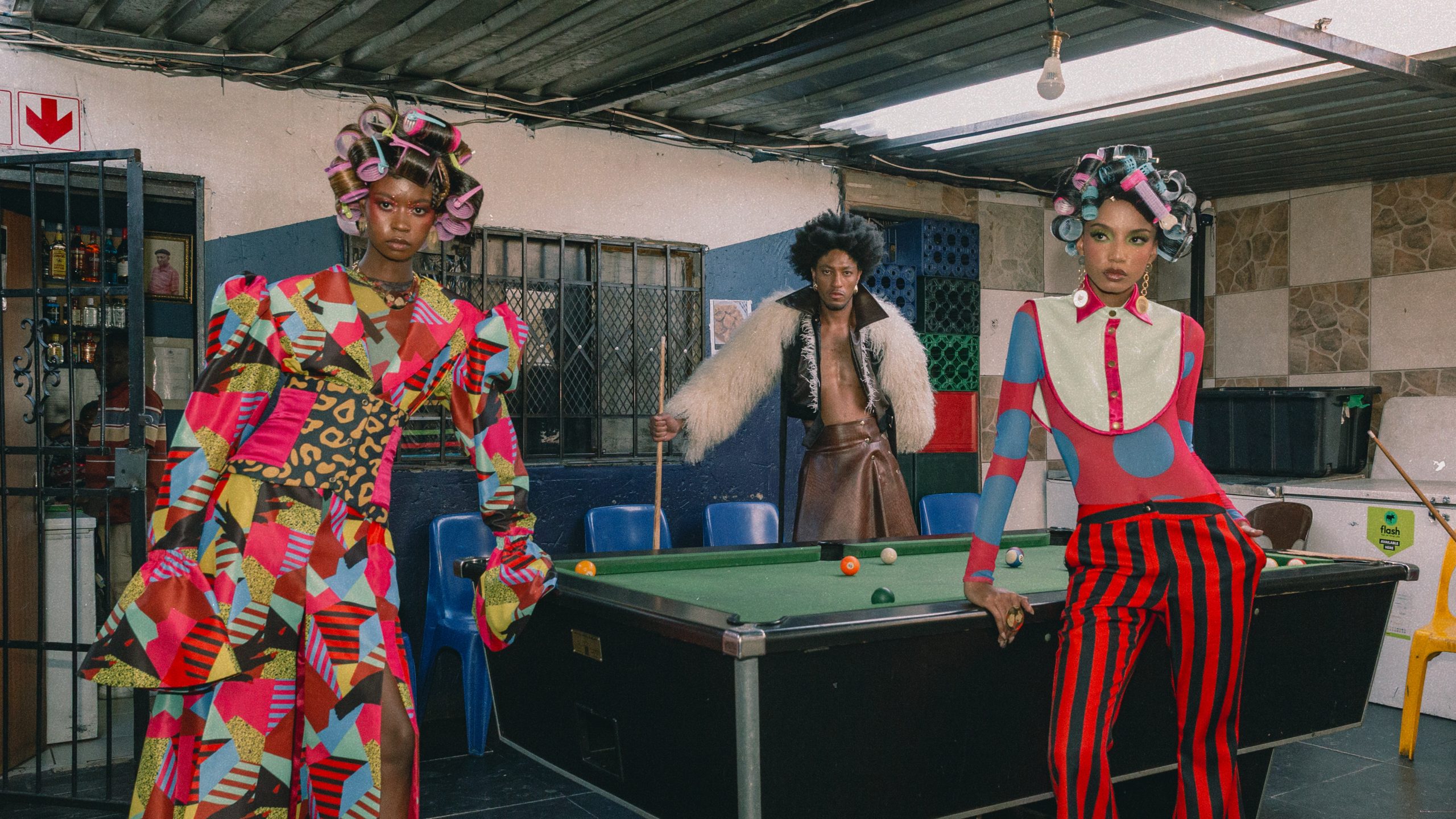
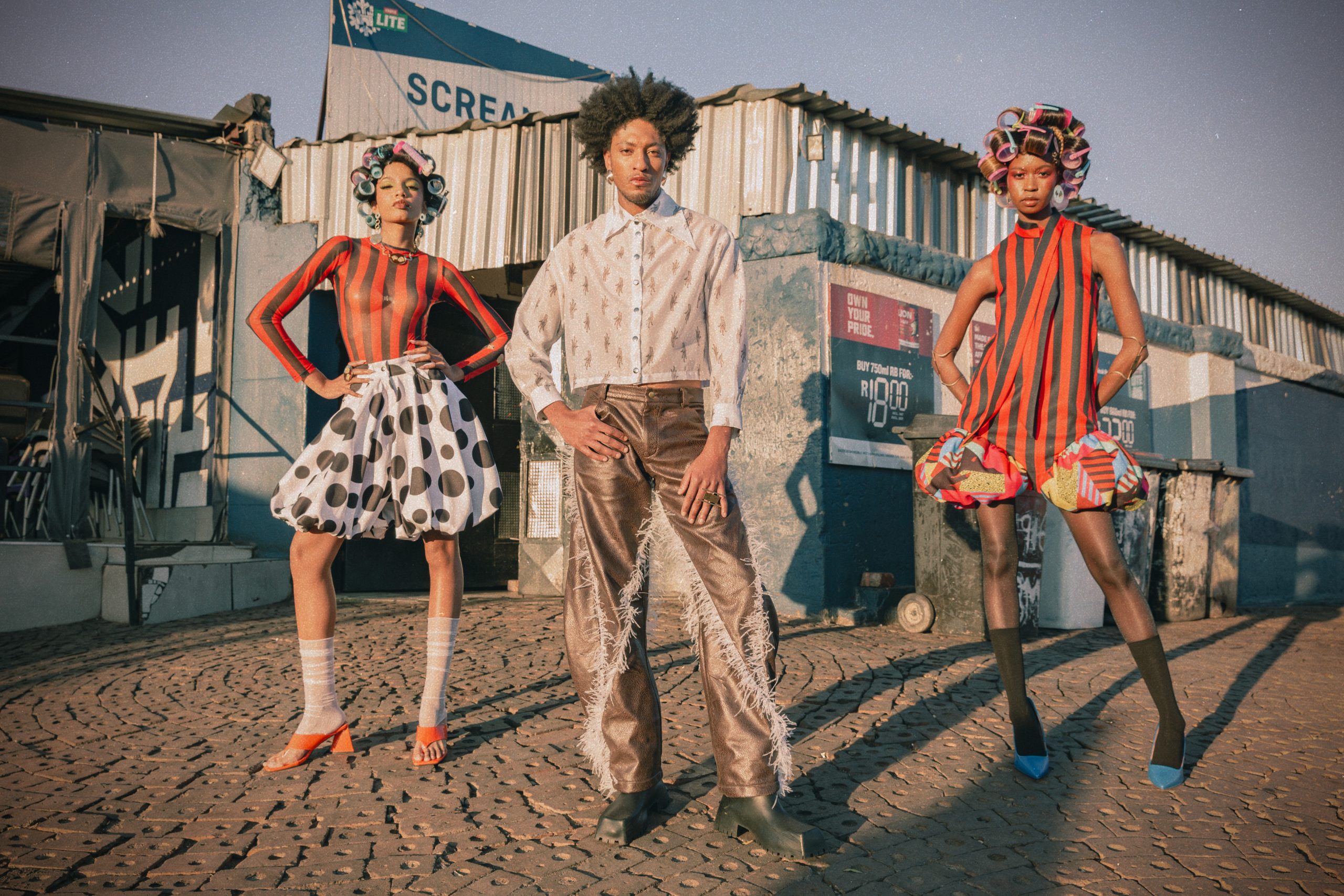
In 2026, Mapetla Ext. '27 was presented in Paris at the Musée du quai Branly – Jacques Chirac as part of Africa Fashion Up
A FUTURE IN MOTION
Ezokhetho has travelled a long way since its first capsule collection in 2019.
Milan came early. Johannesburg remained important. Then came Sophiatown, Khumbulekhaya, Umkhathizwe, Ngithwale, Zodwa, Entathakusa and Mapetla. Now Paris sits within that story too.
But the journey has not required Dhlamini to abandon the things that gave the brand its identity.
This is where Ezokhetho and Staffrider meet naturally.
Staffrider's RIDE philosophy is about movement, participation, creation, carrying memory forward and making meaning while life is already in motion. Its core expression is: Read. Feel. Remember. Ride.
Ezokhetho is doing something similar through fashion. It takes what has been inherited and gives it another life.
A neighbourhood becomes a collection. A photograph becomes part of a design language. A memory becomes something that can be worn. Then the garment leaves the studio and enters somebody else's life, where it can gather another story.
That is what stands out about the journey from Mapetla to Paris. It is not simply a story about leaving home. It is a story about finding out how far home can travel.
What Dhlamini carries forward is more than a set of references. It is a way of seeing home not as somewhere we eventually leave behind, but as something that can remain with us, change with us and find new rooms in which to speak.
We do not always move on from where we come from. Sometimes, we take it with us.
Brand Website
Social Media
Instagram: @ezokhetho
X: @ezokhetho
TikTok: @ezokhetho
YouTube: @ezokhetho
Facebook: @ezokhethoofficial
About the writer: Kaylene Brown is South African creative with an appreciation for good design, sharp details and fresh talent. She’s interested in the people behind the work and the ideas that make you look twice.